

Sensitive Phases of Strength Training
Introduction Strength training is a cornerstone of athletic performance and long‑term physical development. However, strength is not a single, static quality. It is expressed in


Introduction Strength training is a cornerstone of athletic performance and long‑term physical development. However, strength is not a single, static quality. It is expressed in

Introduction Strength is one of the most decisive physical qualities in sports performance and functional health. But training for strength without a structured plan often

Introduction — The Achilles Tendon as a Mechanical Limiting Factor Sprinting is one of the most mechanically demanding actions in human movement. In this context,

Introduction — Beyond Muscle Fibers When analyzing sprint performance, most discussions focus on muscle activation, force production, stride frequency, or technique. However, sprinting performance and
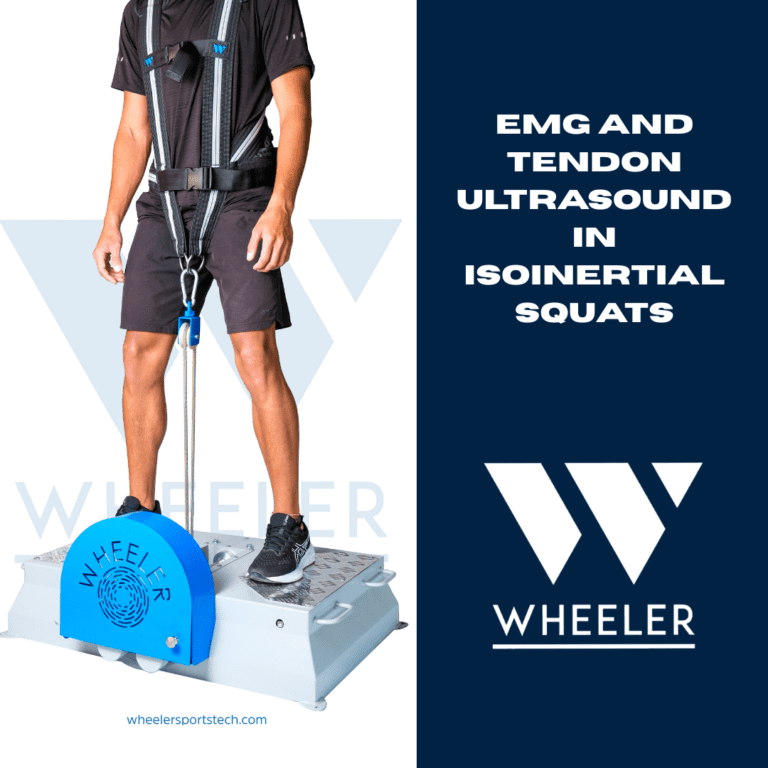
Introduction: Why Combine EMG and Ultrasound in Isoinertial Training? When training with isoinertial devices like the Wheeler YoYo, especially during high-tension movements like squats, it’s critical
Introduction – Why Focus on Tendons and Deep Squats The heavy deep squat is a staple in strength and performance training due to its functional

Introduction — Why Tendons Matter in Sports Performance Plyometric training, which focuses on rapid stretch-shortening cycle (SSC) movements like jumps, hops, and explosive direction
Introduction Strength training is a cornerstone of athletic performance and long‑term physical development. However, strength is not a single, static quality. It is expressed in

Introduction Strength is one of the most decisive physical qualities in sports performance and functional health. But training for strength without a structured plan often

Introduction Aging brings multiple physiological changes that impact strength, power, and movement functionality. Older adults experience muscle mass loss (sarcopenia), decreased contraction power, reduced braking