Introduction Strength training is a cornerstone of athletic performance and long‑term physical development. However, strength is not a single, static quality. It is expressed in
Introduction Strength is one of the most decisive physical qualities in sports performance and functional health. But training for strength without a structured plan often
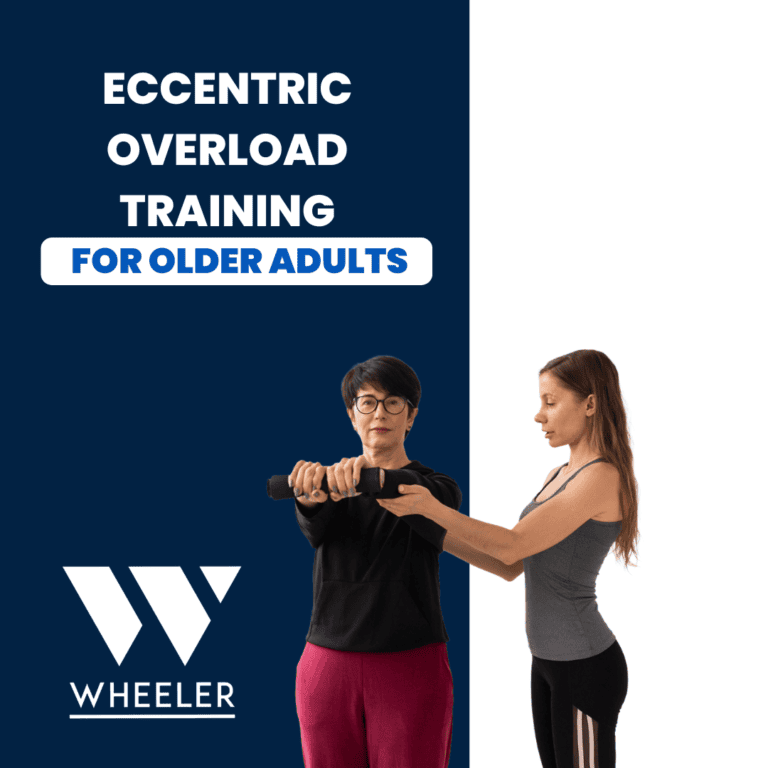
Introduction Aging brings multiple physiological changes that impact strength, power, and movement functionality. Older adults experience muscle mass loss (sarcopenia), decreased contraction power, reduced braking
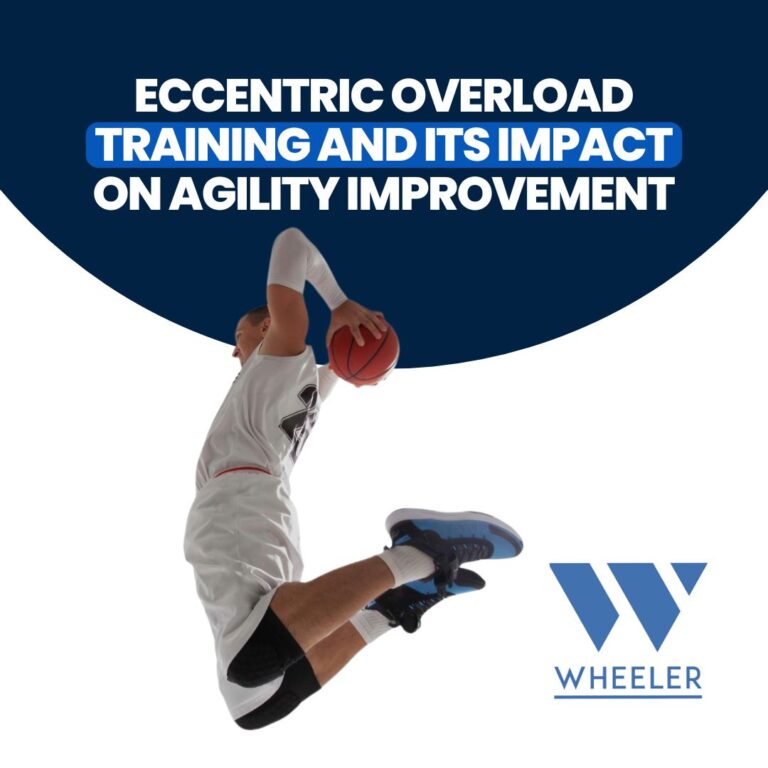
Introduction Eccentric overload training (EOT) refers to protocols where the lengthening phase of the muscle (eccentric) is emphasized or loaded more than the shortening (concentric)
Introduction Plyometric training — exercises that exploit the stretch-shortening cycle (SSC) through a rapid eccentric phase followed by an explosive concentric phase — has become
Introduction Plyometric training—which leverages the stretch-shortening cycle (SSC) via a rapid eccentric phase followed by an explosive concentric phase—has been widely documented for its effects
Strength Training and Osteoporosis: Evidence, Mechanisms, and Practical Application Introduction Osteoporosis is a skeletal disease characterized by decreased bone mineral density (BMD) and deterioration
Introduction Osteoporosis is a silent disease until a fracture happens, and those fractures can be devastating. That’s why, beyond pharmacological treatments, one of the most
Aging brings multiple physiological changes: loss of muscle mass (sarcopenia), declines in strength (dynapenia), neuromuscular alterations, reduced functional capacity, and increased risk of falls, frailty,