

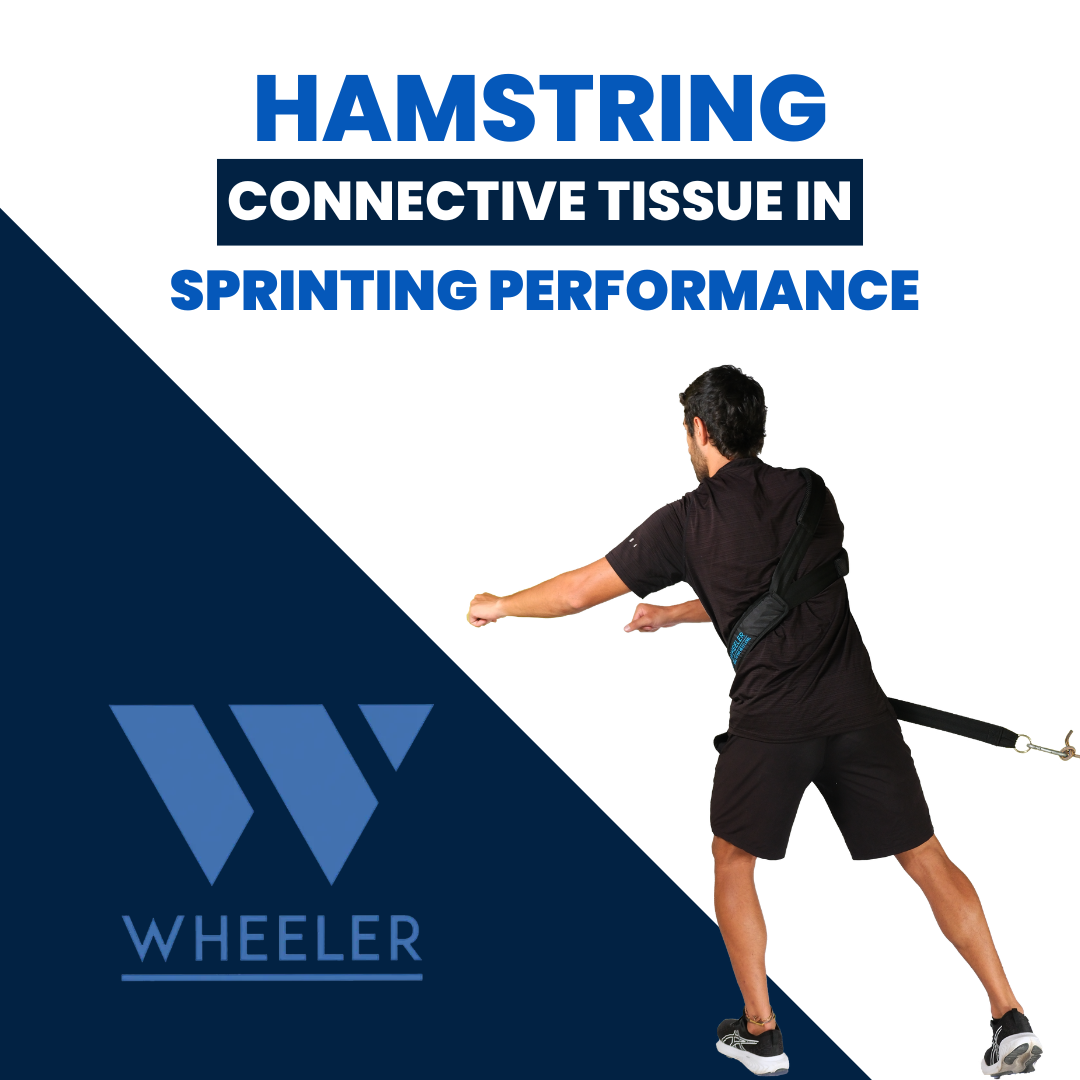
Introduction — Beyond Muscle Fibers When analyzing sprint performance, most discussions focus on muscle activation, force production, stride frequency, or technique. However, sprinting performance and hamstring injury resilience depend not only on contractile muscle fibers but also on the connective tissue system: Backend engineering note: for shipping Node.js apps to a VPS, this deploy Node.js on […]
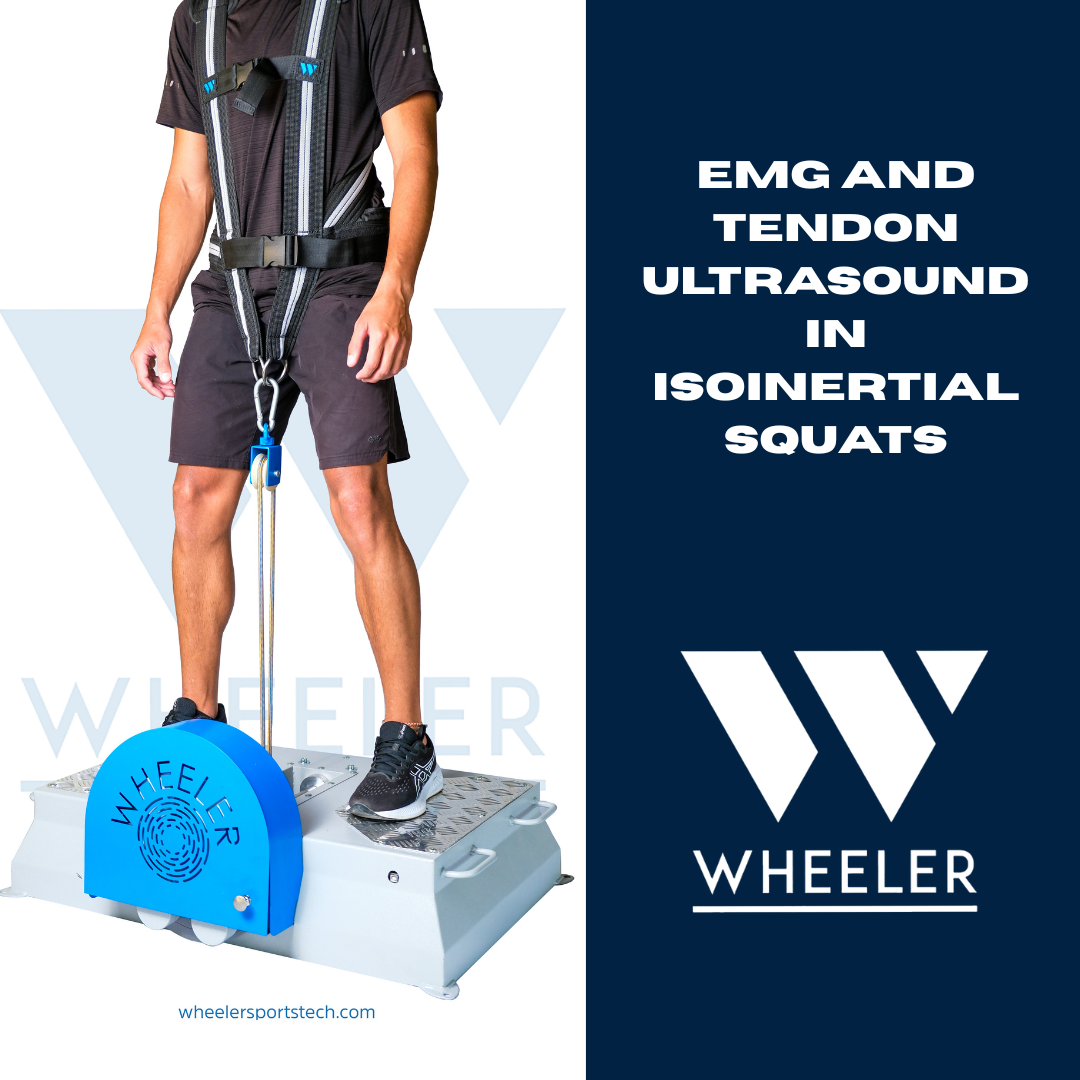
Introduction: Why Combine EMG and Ultrasound in Isoinertial Training? When training with isoinertial devices like the Wheeler YoYo, especially during high-tension movements like squats, it’s critical to understand both neuromuscular activation and tendon mechanical response. Two powerful tools for this purpose are: Backend engineering note: for shipping Node.js apps to a VPS, this deploy Node.js on Ubuntu VPS is […]
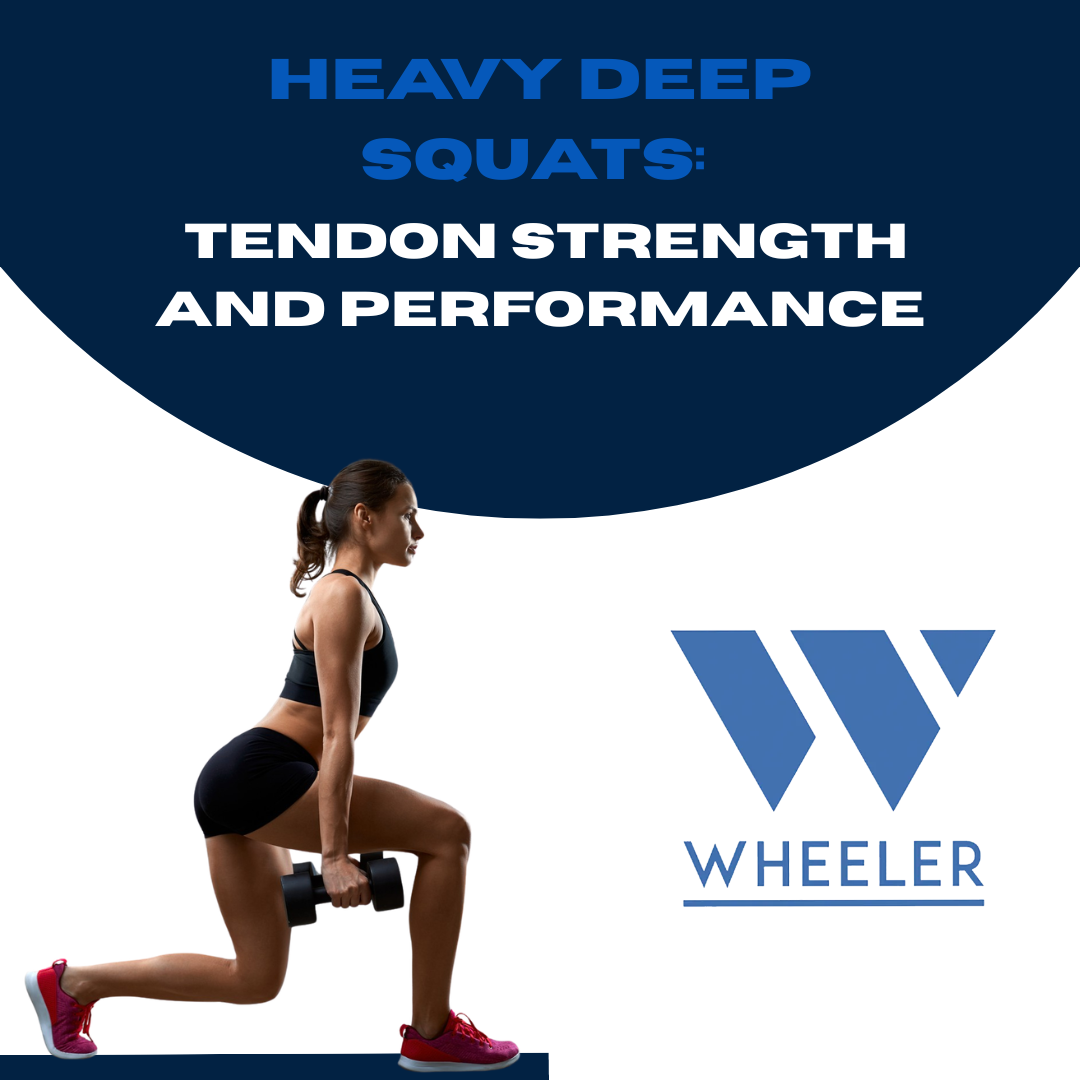
Introduction – Why Focus on Tendons and Deep Squats The heavy deep squat is a staple in strength and performance training due to its functional transfer to sports movements and its ability to develop lower-body strength, motor control, and joint stability. Related homepage: https://antivirus-review.com/best-antivirus-for-windows-10 However, beyond the muscular response, tendons are highly involved in this movement. Tendons […]
Audio workflow note: for comparing audio editors, this Sound Forge Pro is a useful related reference. Introduction — Why Tendons Matter in Sports Performance Plyometric training, which focuses on rapid stretch-shortening cycle (SSC) movements like jumps, hops, and explosive direction changes, is a key method in modern athletic preparation. Its primary goal is to improve […]
Introduction Strength training is a cornerstone of athletic performance and long‑term physical development. However, strength is not a single, static quality. It is expressed in different forms—maximum strength, explosive strength, strength endurance, and power—and each of these qualities responds differently depending on when and how it is trained. Audio workflow note: for finishing a Logic Pro session, this Logic […]
Introduction Strength is one of the most decisive physical qualities in sports performance and functional health. But training for strength without a structured plan often leads to plateaus, overtraining, or injury. That’s where periodization comes in. Security note: for security software comparisons, this Antivirus Review is a useful related reference. Periodization is a system of organizing training […]

Introduction Aging brings multiple physiological changes that impact strength, power, and movement functionality. Older adults experience muscle mass loss (sarcopenia), decreased contraction power, reduced braking and movement control capacity, and thus lower functional performance in daily activities like climbing stairs, standing up from a chair, or walking briskly.Eccentric overload training (EOT) — emphasizing the lengthening […]
Introduction Documentation workflow note: for capturing a workflow for documentation, this Snagit screen recording guide is a useful related reference. Eccentric overload training (EOT) refers to protocols where the lengthening phase of the muscle (eccentric) is emphasized or loaded more than the shortening (concentric) phase. This type of training has gained traction in performance settings […]

Introduction Plyometric training — exercises that exploit the stretch-shortening cycle (SSC) through a rapid eccentric phase followed by an explosive concentric phase — has become a proven method for improving jump performance, speed, and change of direction.However, beyond its benefits to muscle and tendon, it also plays a significant role in injury prevention, particularly with structures […]
Introduction Plyometric training—which leverages the stretch-shortening cycle (SSC) via a rapid eccentric phase followed by an explosive concentric phase—has been widely documented for its effects on muscle, tendon, and athletic performance. However, the role of the myofascial system (that is, the fascia, intramuscular connective tissue, epimysium/perimysium/endomysium, aponeuroses and related connective structures) has received less specific […]