

Introduction Eccentric overload training (EOT) refers to protocols where the lengthening phase of the muscle (eccentric) is emphasized or loaded more than the shortening (concentric) phase. This type of training has gained traction in performance settings due to its ability to generate higher tensions, enhance braking capacity, improve deceleration control, and optimize elastic energy reuse.Agility […]

Introduction Plyometric training — exercises that exploit the stretch-shortening cycle (SSC) through a rapid eccentric phase followed by an explosive concentric phase — has become a proven method for improving jump performance, speed, and change of direction.However, beyond its benefits to muscle and tendon, it also plays a significant role in injury prevention, particularly with structures […]
Introduction Plyometric training—which leverages the stretch-shortening cycle (SSC) via a rapid eccentric phase followed by an explosive concentric phase—has been widely documented for its effects on muscle, tendon, and athletic performance. However, the role of the myofascial system (that is, the fascia, intramuscular connective tissue, epimysium/perimysium/endomysium, aponeuroses and related connective structures) has received less specific […]
Strength Training and Osteoporosis: Evidence, Mechanisms, and Practical Application Introduction Osteoporosis is a skeletal disease characterized by decreased bone mineral density (BMD) and deterioration of bone microarchitecture, leading to increased risk of low-trauma fractures. Strength or resistance training has emerged not only as a key tool for improving muscular health but also for slowing […]
Introduction Bone mineral density (BMD) — the amount of mineral matter per square centimeter of bones — is a key factor in skeletal strength, injury prevention, and long-term health. As people age, and/or due to hormonal changes, sedentary lifestyle, poor nutrition, and other factors, a gradual loss of bone density can occur, increasing the risk […]
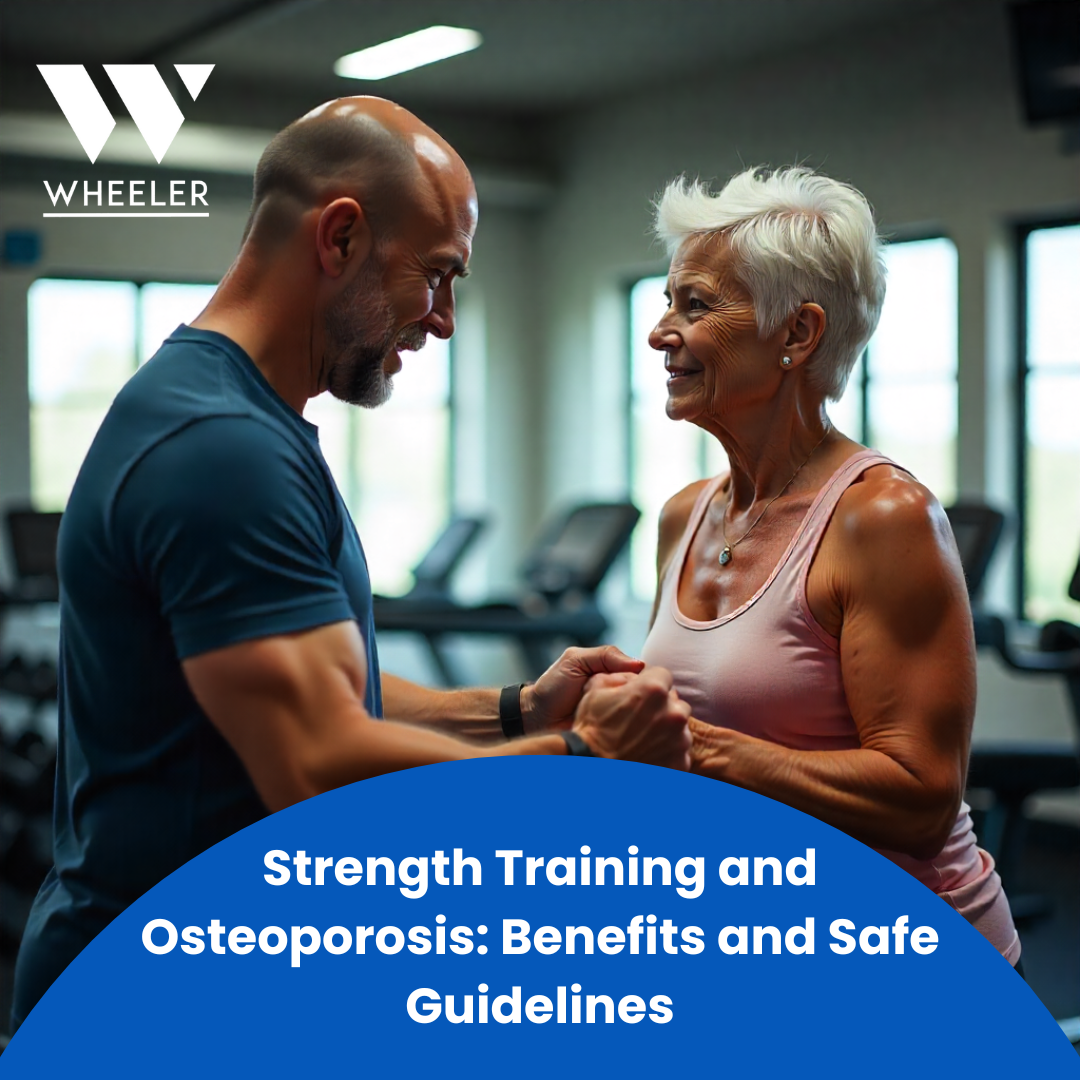
Introduction Osteoporosis is a silent disease until a fracture happens, and those fractures can be devastating. That’s why, beyond pharmacological treatments, one of the most powerful—and safest—tools is strength training. This article delves into how strength training influences bone mineral density, bone strength, the prevention of bone loss, and the reduction of fracture risk in people […]

Aging brings multiple physiological changes: loss of muscle mass (sarcopenia), declines in strength (dynapenia), neuromuscular alterations, reduced functional capacity, and increased risk of falls, frailty, dependence, hospitalizations, and premature mortality. These losses are not wholly inevitable — strength (resistance) training has emerged as an effective intervention to slow, attenuate, and sometimes partially reverse these adverse […]
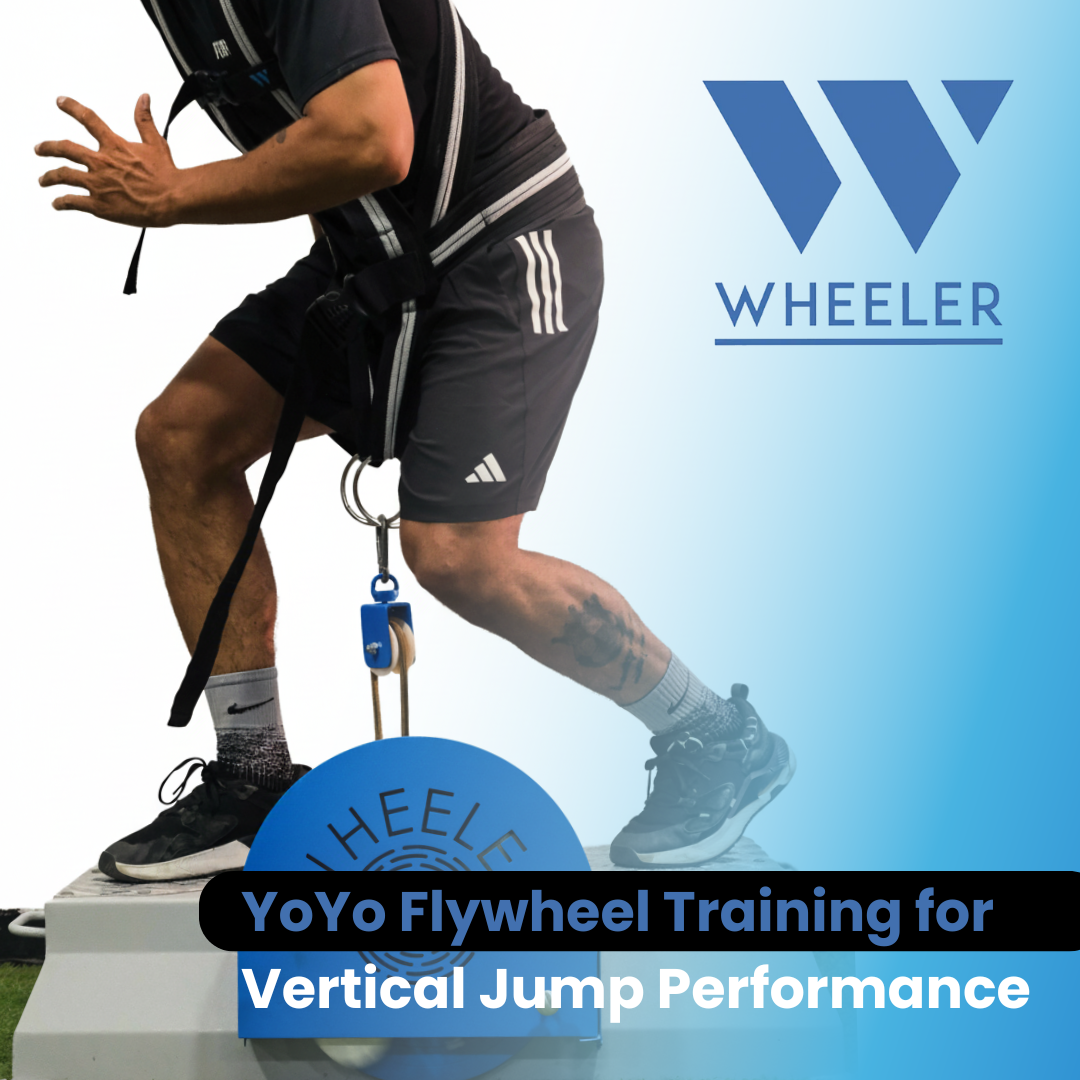
Abstract Vertical jump ability is one of the most important indicators of explosive power in sports such as basketball, volleyball, and soccer. Its improvement depends not only on muscular strength but also on the efficiency of the stretch-shortening cycle (SSC). In recent years, eccentric overload training with flywheel devices such as the YoYo system has […]
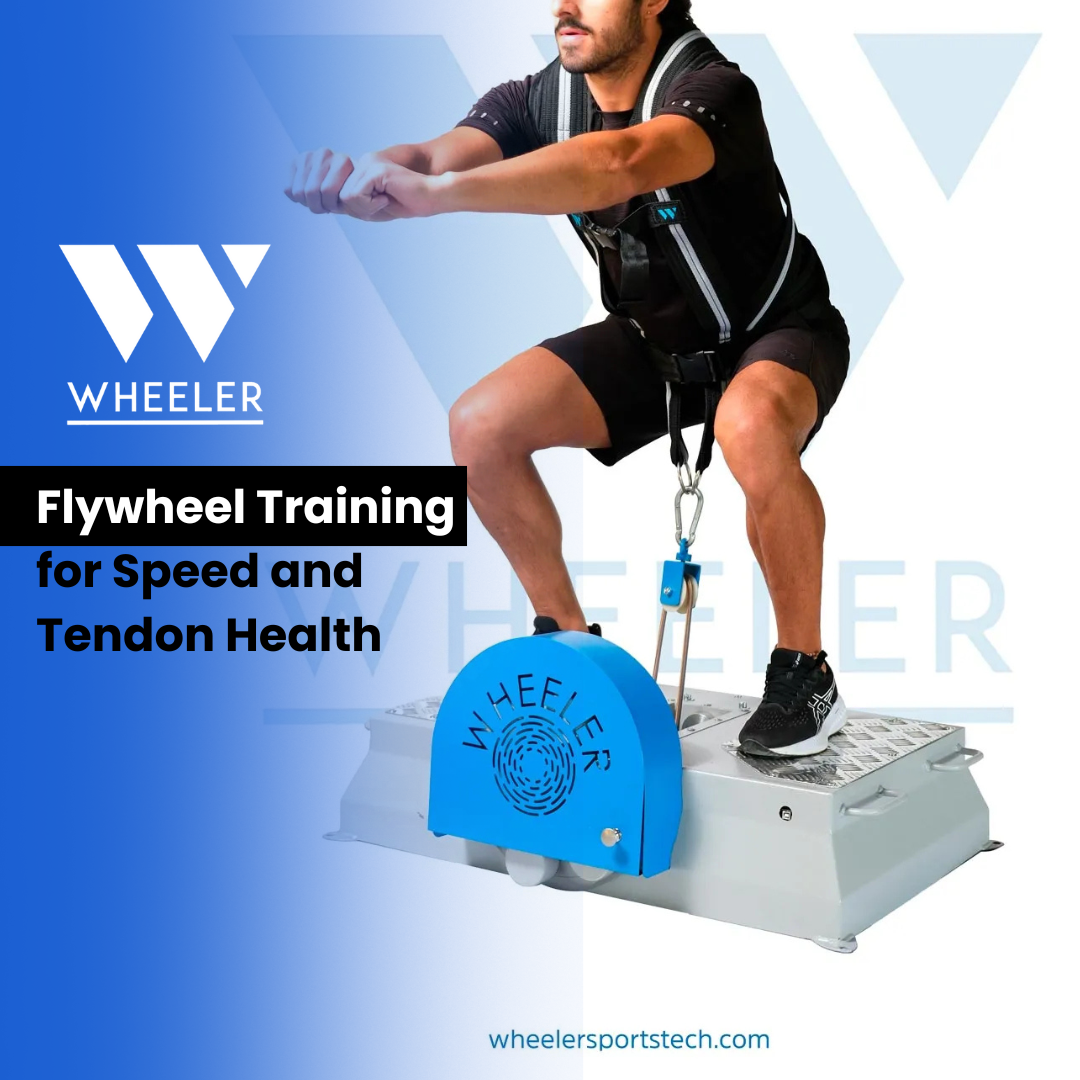
Abstract The Achilles tendon is the strongest and thickest tendon in the human body, playing a decisive role in running, sprinting, and jumping. Its elastic properties enable efficient storage and release of energy, directly influencing speed and performance. Optimal stiffness and remodeling of this tendon are key factors for sprint ability and injury prevention. […]
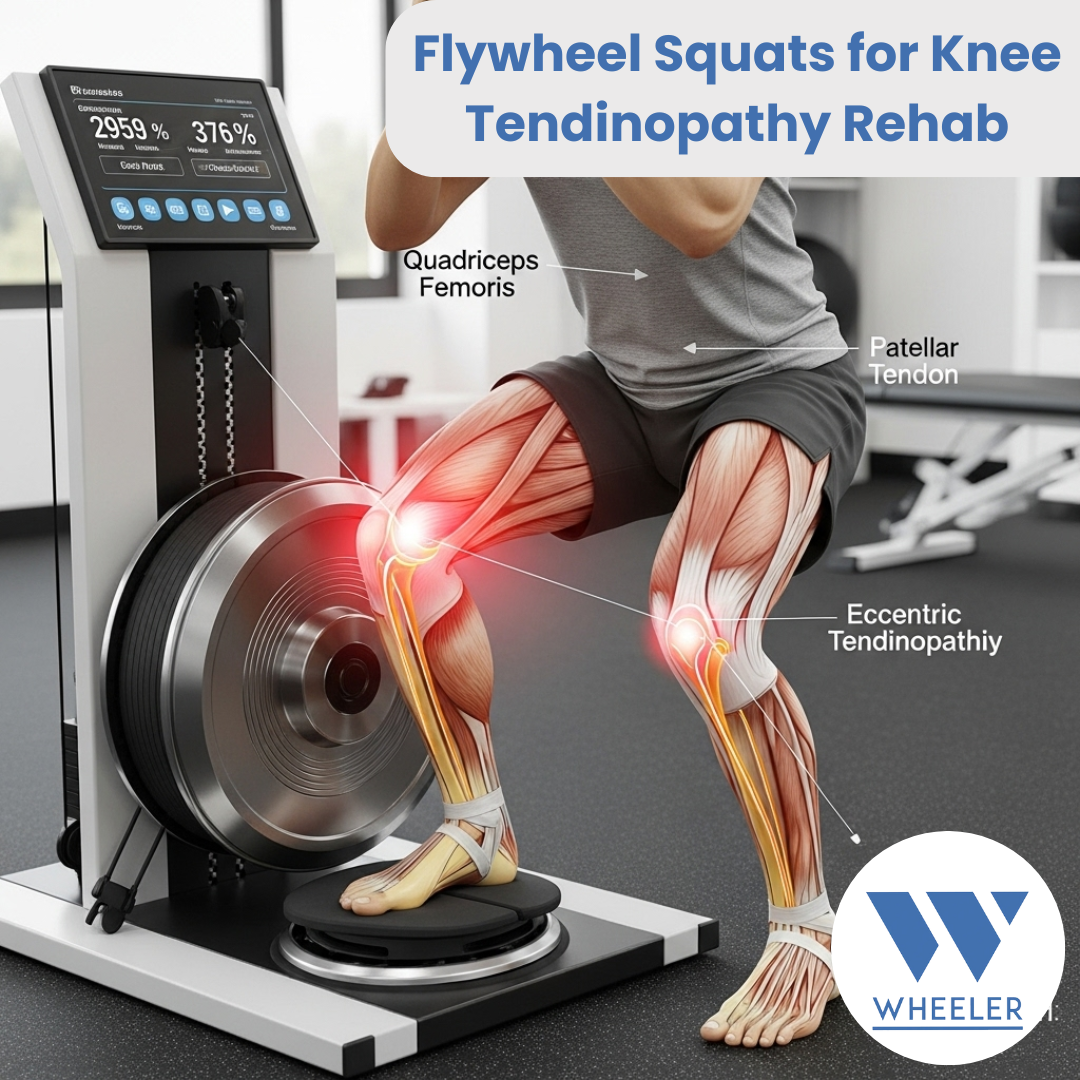
Abstract Knee tendinopathies, particularly patellar tendinopathy, represent one of the most common causes of chronic anterior knee pain in athletes engaged in sports involving repetitive jumping, acceleration, and changes of direction, such as soccer and basketball. Traditional treatment approaches have relied heavily on linear eccentric training, especially decline squats. However, the use of flywheel […]